



Ruben Amorim has underlined a clear recruitment principle: character first, numbers close behind. He says he can usually tell in face-to-face meetings whether a player is right for his team and will reject signings that fail that test. Supporting him is Sansoni, who builds data-led shortlists of three profiles that statistically fit the brief before any meetings are held. The approach points to fewer but smarter deals, prioritizing mentality, tactical discipline and cultural fit over highlight-reel talent. It is a shift that could reshape upcoming windows, emphasizing team cohesion and sustainable improvement over scattergun buying.
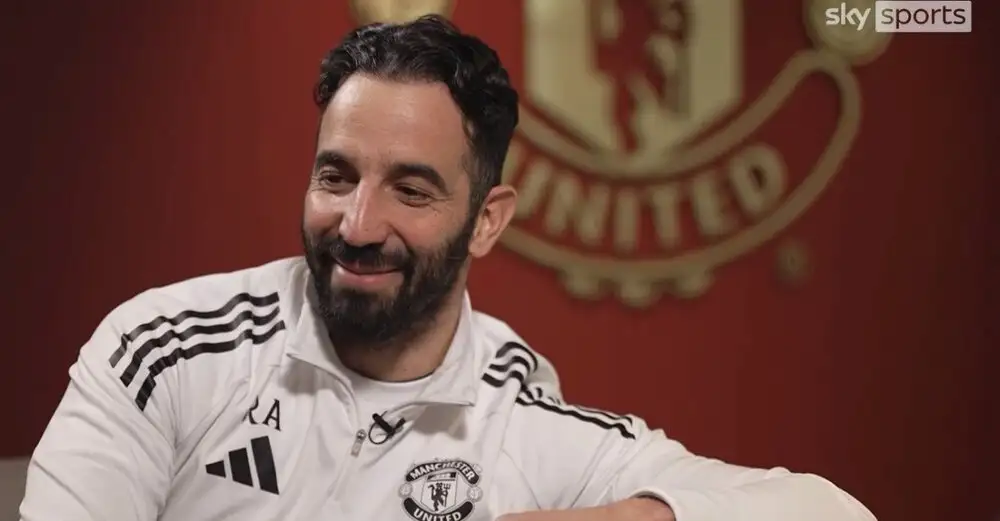
These remarks and details emerged around recent football operations discussions and media interactions tied to ongoing squad-planning work. The focus centers on how candidate profiles are defined by the staff, filtered by data specialists and then validated directly by the head coach in person. The process highlights a coordinated model: analytics to narrow the field, interviews to confirm mentality and final sign-off only when both strands align.
🚨🗣️ Ruben Amorim also says that he can usually tell whether a player is right for his team, adding: "I think I have a good feeling on that. That's why we will not bring in a player that has that feeling face-to-face. They can mislead me a little bit, but it's going to be hard,
@UtdXclusive
Impact Analysis
Amorim’s stance is a calculated correction to years of scattershot recruitment that often valued reputation over role fit. A character-first filter, validated in the room, can slash integration risk. It cuts through the gap between how a player looks on a data sheet and how he behaves under tactical strain, in a dressing room, or when minutes are scarce. Pairing that with Sansoni’s data shortlists adds rigor. You get a tight pool of three names per role that already match the pressing metrics, ball retention targets or transitional running the coach demands.
The upside is clear: fewer errors, faster cohesion and a squad built around non-negotiables. Amorim’s track record supports this. At Sporting, he consistently blended hungry profiles with clear tactical jobs, turning system buys into on-field habits. The risk is human bias. Gut reads can be swayed by charisma or a polished interview. That is where the model’s balance matters. If the numbers and the meeting disagree, the process should force a pause, not a punt.
Expect the most immediate gains in roles that live or die by discipline: midfield anchors who stay switched on in rest-defense, wide forwards who press the first pass, and defenders who hold the line instead of chasing duels. Over a window or two, the dressing-room floor rises. Fewer passengers. More players who fit the team on day one.
Reaction
Fan response is split but loud. A large group welcomes the clarity: finally, someone prioritizing mentality and cultural fit over shiny clips. They see the interview stage as overdue quality control after too many signings that looked good on paper but never clicked. Others are skeptical. Some call the tone arrogant, suggesting a coach can also misread character and that confidence in “feeling” can morph into blind spots.
There’s a wry thread running through the comments too. A few supporters joke about how certain personalities in the current squad would fare under a face-to-face test and whether the new filter would have flagged past mistakes. INEOS is not spared either, with some urging the hierarchy to show the same ability to detect “rubbish” at executive level as Amorim claims at squad level. The more optimistic fans argue this is exactly the spine the club needs: an aligned data team led by Sansoni to structure the market, and a head coach who refuses to compromise on character even if it means walking away from popular names.
In short, the terrace mood swings between relief that standards are rising and caution that words must become smart deals. The consensus landing spot: if the process yields fewer but better signings, they’ll back it.
Social reactions
We can also tell when a manager is right for our club. He can mislead some but cannot mislead all of us. Especially the talkative ones.
Jobe. (@alan_sithole)
😂😂😂😂😂😂 my managerrrrrrrr
Yaan (@yaankazama)
Quenda last year & semenyo this year. We never got rejected before this clown came in.
Man United Fan. (@De5in1nja)
Prediction
Short term, expect targeted moves rather than a shopping spree. The process sounds like this: define the tactical gap, receive a three-name shortlist from Sansoni’s data sweep, then run interviews to test mentality and role understanding. Negotiations only open for the one or two candidates who clear both bars. That sequence should accelerate once the squad audit is complete.
Role-wise, watch for profiles that carry heavy tactical lifts: a press-resistant midfielder who can anchor build-up and protect transitions, a wide forward with high defensive output and clean decision-making in the final third, and a defender comfortable holding line height under pressure. The market is tight, but this method narrows risk. If a candidate fails the interview, they move on quickly rather than stretching talks.
Medium term, the squad churn stabilizes. Cohesion improves, training intensity holds, and minutes redistribute toward players who live the non-negotiables. Expect a cleaner wage bill and a smaller core of trusted starters supported by role-pure rotation pieces. The headline is not a blockbuster name. It is fit, availability and repeatable habits. That is how this model wins.
Latest today
- Cristiano Ronaldo’s Real Madrid legacy: €94m deal, 451 goals, 16 trophies and a record-set...
- Ruben Amorim signals January additions - plan first, familiar profiles, academy trusted
- Kobbie Mainoo pushes for January loan - United stance hardens as frustration grows
- Rival view: Bruno Fernandes derby return talk looks optimistic, United face longer wait
Conclusion
Strip away the noise and you get a simple promise: no more convenient compromises. Data defines the lane, the interview decides the green light. That dual check is what clubs with stable identities already do. Amorim is signaling that the door only opens for players who match the football and the room. It will irritate agents, slow some negotiations and kill a few social media favorites. Good. That friction is the point.
Success will not hinge on a single superstar. It will come from stacking compatible parts until the team plays on rails. If this approach holds, the squad will look lighter, hungrier and tactically reliable within a couple of windows. Mistakes won’t vanish, but they will be rarer, cheaper and shorter-lived. That is how you turn a transfer policy from a roulette table into a production line for points.

Jobe.
We can also tell when a manager is right for our club. He can mislead some but cannot mislead all of us. Especially the talkative ones.
Yaan
😂😂😂😂😂😂 my managerrrrrrrr
Man United Fan.
Quenda last year & semenyo this year. We never got rejected before this clown came in.
Yoro_FC_Utd
🤣🤣🤣🤣🤣🤣😭😭😭😭 so his instincts must have been going crazy when he used to hear Rashy and Garna speaking
Amar
This guy sounds like such an arrogant prick 😭
Old Trafford Updates
I actually like hearing this. You can tell he cares about character, not just highlight reels. We’ve signed enough “good on paper” players who didn’t fit mentally or culturally. If Amorim trusts his gut and it means fewer but better signings, I’m all for it. We need the right
Z
“I can detect the rubbish” Wish INEOS were able to detect the rubbish too.
VP
Another In person interview.
UtdXclusive
🚨 JUST IN: Sansoni is also heavily involved in recruitment. When Amorim identifies the need for a certain type of player it is Sansoni who scours the data from across the globe. Often he comes up with three players who – statistically at least – fit the bill. Then it is over