



A high-profile debate erupted over whether modern fixture congestion is damaging football, as mounting injuries and conservative rotations keep elite talents off the pitch. The discussion cited Noni Madueke, Myles Lewis‑Skelly and Piero Hincapié as examples of players whose minutes are squeezed despite clear quality. Fans pointed to relentless calendars, short recovery windows, and risk-averse selection during stacked runs of games. Amid scattered replies, one theme cut through: the current schedule prioritizes quantity over player welfare and performance. This piece examines the structural reasons, the competitive impact on clubs like Arsenal and Chelsea, and the reforms needed to realign football with sustainability.
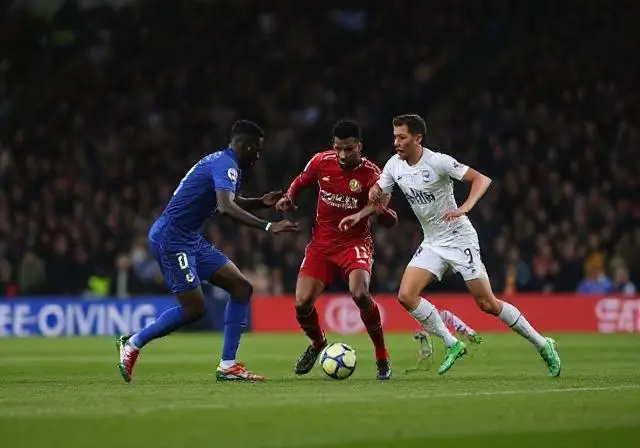
A widely followed analytics voice ignited a broader conversation on social platforms about the impact of fixture congestion on player welfare and squad utilization. The post questioned whether the game benefits when top performers are frequently injured and when high-ceiling players such as Noni Madueke, Myles Lewis‑Skelly and Piero Hincapié are left on the bench during demanding stretches. Replies ranged from betting chatter to pragmatic, club-focused takes, including concerns about Arsenal navigating tight turnarounds against opponents like Slavia and Sunderland. The moment captured a growing frustration across supporters, analysts and performance staff about an overloaded calendar.
Does the fixture congestion help the sport when guys who are displacing THIS level of quality get injured? When the best players in our sport are always injured? And then when they are fit guys like Madueke or Lewis-Skelly or Hincapié sit on the bench? Greed. It hurts the game
@EBL2017
Impact Analysis
The modern football calendar compresses training, travel, and match demands into cycles that sports science never intended for consistent peak performance. Shortened microcycles (often 48–72 hours between matches) compromise the high-low load pattern needed for tissue recovery, neuromuscular readiness, and tactical refinement. The result is predictable: soft-tissue injuries, persistent niggles, and selective squad usage that can bench talented profiles—Madueke’s one‑v‑one dynamism, Lewis‑Skelly’s press resistance, or Hincapié’s progressive defending—simply to manage risk.
At club level, fixture congestion narrows tactical flexibility. Coaches default to stability to survive through volume, prioritizing defensive balance and set‑piece control over expressive, high‑variance skill sets. That risk calculus may limit upside in the short term and slows the development arc of young or recently integrated players. Commercially, broadcasters get inventory, but the product quality dips: fewer peak matchups with top players at 100%, more fatigue‑driven errors, and a flatter entertainment curve for neutral viewers.
Competition integrity is also distorted. Squads with deeper benches (and superior recovery infrastructure) gain outsized advantages, while mid‑table or development-oriented teams face harsher trade‑offs. International windows compound the problem by adding travel and training asymmetries. Without calendar rationalization—fewer friendlies, better window consolidation, and capped match quotas—the incentives will continue to sideline quality in favor of survival, undermining both athlete welfare and the sport’s spectacle.
Reaction
Fan replies reflected fragmentation typical of today’s discourse. Several responses veered into betting cards across multiple sports, underscoring how attention scatters when the core product feels diluted by overload. That scatter itself is telling: when fatigue blunts star power, conversation drifts to peripherals.
Within football-focused replies, the Arsenal community voiced pragmatic anxiety: win the next two, steady the ship after the break, and hope returning players reset the season’s trajectory. Mentions of Slavia and Sunderland framed the immediate survival mindset. Chelsea supporters echoed the frustration of seeing Noni Madueke’s minutes fluctuate despite match‑deciding potential. Neutrals highlighted the irony of expanded competitions delivering more content yet less of the elite quality they tuned in for.
There was little disagreement on the core claim: congestion is hurting the product. The split came on responsibility—some blamed governing bodies for expanding formats, others targeted clubs for preseason tours, while a few argued coaches hide behind fatigue to justify conservative selection. Despite the divergence, the sentiment coalesced around a simple demand: fewer games, better games.
Social reactions
Trossard is quietly having an excellent season. That pay rise is looking like a very reasonable decision.
James. (@afcjxmes)
Arteta inverting the Saliba into midfield
Nasasira Darious (@NasasiraDariou6)
Jindrich Trpisovsky (Slavia Prague manager): “If I were to list everything dangerous about Arsenal, we wouldn’t make it to training! They’re a mature team that controls games. They has tremendous technical quality, the players are big, strong, fast & in top form right now.” “I
afcstuff (@afcstuff)
Prediction
Near term, expect incremental fixes rather than sweeping reform. Coaches will lean further into rotation clusters: pre‑planned 60–30 minute splits for wingers like Madueke, carefully capped minutes for academy breakthroughs such as Lewis‑Skelly, and targeted usage of defenders like Hincapié when game states demand line‑breaking distribution. Sports science will tighten red‑flag thresholds, producing more late scratches that frustrate fans but protect players.
By the next calendar cycle, leagues are likely to pilot modest relief: synchronized winter breaks, clearer no‑match recovery windows after international travel, and stronger enforcement of minimum rest days. Clubs will push for a seventh and even eighth bench substitute with flexible re‑entry for head‑injury assessments, while youth development pathways gain protected minutes in domestic cups to reduce veteran overload.
Longer term, a negotiated settlement is plausible: streamlined international windows, a hard cap on total competitive minutes per player across club and country, and incentives for clubs that demonstrate load management best practice. If implemented, the sport would showcase more peak‑readiness appearances from top talent, rehabilitate the spectacle, and re-center emerging players who currently oscillate between bench and burnout.
Latest today
- Emelec prospect Diogo Bagüí set for MLS or Liga MX move - talks in final details
- Galatasaray move for Manuel Ugarte gathers pace after talks with his camp and Man United
- Manchester United line up Antoine Semenyo as Zirkzee talks with Roma open a clear path
- Kobbie Mainoo wants January move to Napoli - why Conte’s Napoli fits him perfectly
Conclusion
The argument that fixture congestion weakens football is no longer theoretical—it is visible in lineups, in medical rooms, and in the cautious deployment of high-upside talents. When players with the skill set of Madueke, the promise of Lewis‑Skelly, or the composure of Hincapié are rationed by schedule math rather than sporting merit, the game loses texture and jeopardizes its future stars.
Solutions exist, but they require coordination and a willingness to sacrifice volume for value. Governing bodies must curb expansionist instincts; clubs should rationalize preseason travel and enshrine evidence‑based load caps; broadcasters can champion fewer but higher-quality tentpoles. Fans, too, hold leverage—demanding sustainable football that prioritizes health and performance.
Rebalancing the calendar will not happen overnight, yet even incremental guardrails can restore the spectacle: consistent availability of elite players, clearer development pathways, and football that breathes. That, ultimately, is the product everyone wants—and the one the sport needs to protect.






James.
Trossard is quietly having an excellent season. That pay rise is looking like a very reasonable decision.
Nasasira Darious
Arteta inverting the Saliba into midfield
afcstuff
Jindrich Trpisovsky (Slavia Prague manager): “If I were to list everything dangerous about Arsenal, we wouldn’t make it to training! They’re a mature team that controls games. They has tremendous technical quality, the players are big, strong, fast & in top form right now.” “I
AI
People do not understand how much cultural capital Arsenal have across the globe.
Mediocrity Enjoyer
Arsenal pick up a few knocks and suddenly he runs the sport is dying gimmick. Meanwhile tons of other teams struggle with more significant injuries, never makes excuses for them, crickets… The Arsenal media apparatus is sick
Abdul
Look at Trossard’s injury record for the same team. Compare his in-game duels to the other players. Layer that with the training intensity. Actions have consequences. Players or teams that get away from unnecessary duels will win this iteration of football.
The Touchline | 𝐓
🚨🗣️ 𝗡𝗘𝗪: Cristiano: “I was nearly an Arsenal player. I won't say I have a passion for the club. But I like Arsenal, I like their team, I like the way they play."
Afcander
It’s sad, but Arsenal just have to find a way to win against Slavia and Sunderland. Things should get better after the break. The only way will be up with that squad.
EBL
So we are back to last season's situation with Arsenal, then. Gyökeres, Havertz, Martinelli, Ødegaard, Madueke, & Jesus all out injured. Truly unbelievable. Fortunate timing, at least, with an international break ahead. Control will remain vs Sunderland - goal threat reduced.
now.arsenal
🚨Arsenal are hoping to have Viktor Gyokeres, Gabriel Martinelli, Martin Ødegaard, Noni Madueke and Kai Havertz all back after the international break. Gabriel Martinelli and Viktor Gyokeres are both out tonight, as per . Arsenal could have a a huge boost for the
gunnerblog
🚨 Viktor Gyokeres & Gabriel Martinelli out until after international break. Arsenal hoping to get both back in time for NLD on Nov 23. Martinelli left out of Brazil squad & Gyokeres undergoing further assessment on muscular injury.
Kyle
NBA Monday Recap 🏀 🧹 Free Month of VIP to Someone Who Likes ❤️ ✅ Giannis o11.5 Rebounds ✅ Cole Anthony o8.5 Points ✅ Josh Hart o6.5 Rebounds ✅ 🪜 Josh Hart o7.5 Rebounds (+176) ✅ 🪜 Josh Hart o8.5 Rebounds (+225) ✅ Alperen Sengun o8.5 Rebounds (VIP) 6-0 (+3.54u) 📈
Siddharth
Card for tomorrow 🇫🇷 Rinderknech ML @ 1.8 (3u) 🇦🇷🇺🇸 Burruchaga / Jovic @ 1.688 (2u) 🇮🇹 Cobolli ML @ 1.61 (1.5u) 🇮🇹 Cobolli ML @ 1.81 (0.5u) 🇮🇹 Travaglia ML @ 1.85 (1.5u) 🇱🇹 Butvilas ML @ 2.5 (0.5u) 🇱🇹 Butvilas +2.5 @ 1.8 (1u) 🇺🇸 Tien 2-0 @ 1.5 (2u) 🇧🇾 🇫🇷 Sabalenka/ Moutet @
Footyfades
🇫🇮 Over 3.5 -110
$pider Bets 🕸 🕷
11/3: 🏀 NCAAW 🏀Baylor v Duke 12pm EST Pick: Baylor +9.5 (-118) 1.5u Jumping over to women’s hoops for our next play! BOL if tailing! #GamblingX #NCAAW