



A viral debate has flared around Arsenal’s status as having the best squad while battling persistent injuries. Supporters and neutrals argue over whether this points to elite demands of modern football or shortcomings in conditioning and rotation. Some praise Mikel Arteta’s control-first model and improved depth, others question training methods and the pace of rotation in past seasons. Comparisons to injury-hit Real Madrid add perspective that this isn’t unique to Arsenal. The conversation lands on a key theme: fixture congestion, travel, and high pressing intensities are stretching even the deepest squads, turning availability into the defining edge of the title race.
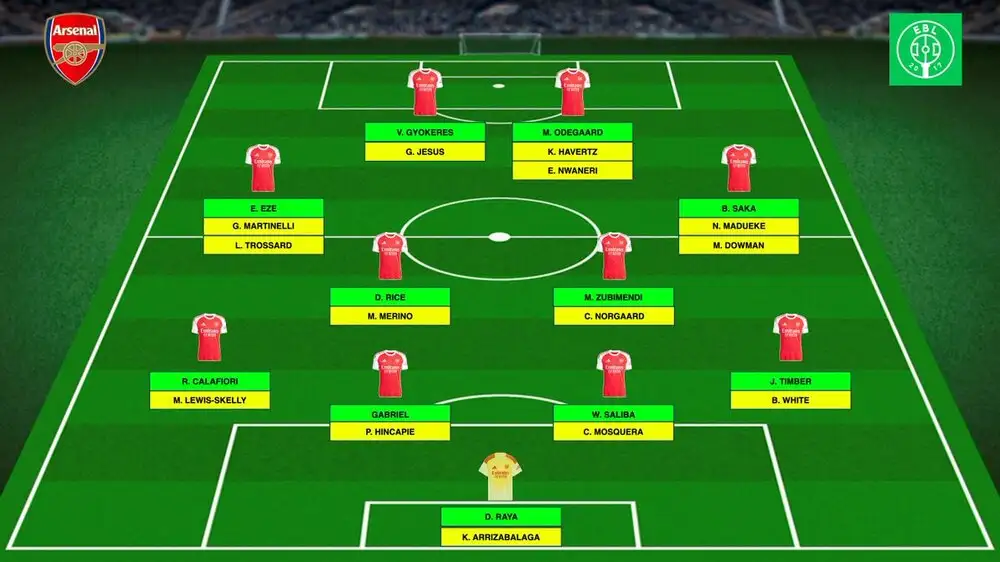
The discussion stems from a widely shared remark that Arsenal possess the world’s best squad yet are heavily affected by injuries. The post triggered extensive replies from fans and observers, including praise for Arsenal’s depth, criticism of conditioning and rotation, and broader reflections on elite performance demands across Europe. References to other injury-hit giants, plus a circulated claim about a top coach backing Arsenal in the title race, widened the scope from a club-specific concern to the sport’s structural reality of packed schedules and rising physical loads.
Arsenal have the best squad in the world yet they remain decimated by injuries. What does that tell you about the state of the modern game?
@EBL2017
Impact Analysis
On a macro level, this debate underscores how the modern game’s intensity - high pressing, repeat sprints, rapid transitions - has outpaced traditional load management. Even with larger squads and advanced sports science, availability remains volatile because fixture density, international breaks, and travel compress recovery windows. Arsenal’s case illustrates a broader European trend: soft-tissue incidents tend to spike around congested stretches, while return-to-play timelines tighten under competitive pressure.
For Arsenal specifically, the conversation touches three pressure points. First, rotation. Arteta’s control-first approach is designed to reduce chaotic phases, but when rotation lags or roles are overloaded, cumulative fatigue can slip through. Second, training specificity. Microcycles calibrated to high-intensity possession and counterpressing can pay off tactically yet still expose players if acute spikes exceed chronic loads. Third, squad profiling. Depth isn’t just numbers; it’s role coverage. When like-for-like replacements sustain control and pressing triggers, starters don’t need to be overextended.
There’s also a psychological edge. A group confident in its automations tolerates enforced changes better. Arsenal’s bench quality now allows tweaks without tearing up the game plan, which reduces the temptation to rush key returns. The comparison to Real Madrid’s defensive absences shows this is not a single-club flaw but a continental issue where marginal gains in monitoring, substitution timing, and match pacing can be worth points. Ultimately, the debate spotlights a hard truth: the title race may be decided as much in the data room and medical suite as on the pitch.
Reaction
Fan responses split into clear camps. D🦅 argues Arsenal finally have true controllers and depth, crediting Arteta’s long-stated ambition to dominate matches. That optimism clashes with Markception’s claim that conditioning and rotation remain suspect, framing injuries as a recurring pattern rather than isolated bad luck. Nick Kapatais zooms out, calling this a sport-wide problem of high demand and not something unique to Arsenal.
Indian Kissinger echoes the conditioning critique, saying injuries under Arteta have been too frequent to dismiss and that early-years rotation was too rigid. Aazar chimes in with a pointed solution - hire Bayern’s famed conditioning expertise - reflecting a common fan belief that elite backroom hires move the needle. Onyi Anyado counters the negativity by highlighting results and mentality, arguing that the team’s competitiveness despite absences shows elite standards.
Regen widens context, citing Real Madrid’s defensive crisis as proof of randomness and league-wide strain. laj11900 holds a pragmatic middle ground: keeping players fit is a coaching skill, and there’s room for improvement outside freak injuries. SPOILER flatly rejects the premise that Arsenal have the best squad. Meanwhile, The Touchline | 𝐓 shares a circulating pro-Arsenal coaching quote from a prominent manager, reinforcing the view that the project’s structure is title-ready. Together, these voices build a portrait of a fanbase both confident in tactical identity and anxious about the attrition that can derail a season.
Social reactions
It means Arteta is bad at handling players conditioning.
Hasif (@bob_kelso15)
It's all on Arteta man. Obsession with excessive training and a system that drains every player.
Samuel Adesemoye (@Samuelkingville)
Do you think that the fact Ødegaard is the captain — and because of that he seems undroppable and starts immediately as soon as he returns — limits the team, given the limitations he has as a player?
TsikoGunner (@TsikoGunner)
Prediction
Short term, expect Arsenal to double down on controlled match scripts to cap volatility: earlier substitutions for high-load roles, minutes management for repeated sprinters, and targeted rotation in fullback and forward lines. Look for staggered starts across three-game weeks, plus a stronger emphasis on set-piece control to bank results without maxing out running metrics. In training, microdosing of high-speed exposures should balance sharpness with protection for key hamstrings and calves.
Medium term, Arsenal will likely deepen role redundancy. Another versatile defender who can invert or hold width would reduce the need to stretch starters across tactical asks. A multipurpose midfielder who can anchor, shuttle, and connect third-man runs would permit rest without sacrificing control. Expect tighter integration of academy depth in specific game states - late leads and cup fixtures - to ease loads on stars while preserving structure.
League-wide, scheduling pressure isn’t easing. That pushes clubs toward better individual load profiling and live in-game risk flags. The next competitive edge is not just who runs the most but who avoids the wrong runs at the wrong times. If Arsenal continue to marry elite possession with smart rotation and precise return-to-play thresholds, they can ride out the inevitable absences and remain in the title conversation deeper into spring.
Latest today
- Manchester United eye Manu Koné for summer 2026 - a made-to-measure fit for Amorim's midfi...
- Ruben Amorim aligns with Jason Wilcox as Man United sharpen January transfer plan
- Ruben Amorim on 3-4-3: identity first - what it means for Manchester United and player rol...
- Amorim flags United injury crisis - Bruno, Mainoo, De Ligt, Maguire and Mount doubtful
Conclusion
The debate is less about whether Arsenal have the best squad and more about how any elite squad survives the season’s grind. Arsenal’s evolution - more controllers, clearer patterns, higher bench utility - is real. So is the attrition. Those truths can coexist. The path forward is practical: marginal improvements in rotation timing, load monitoring that anticipates spikes instead of reacting to them, and recruitment that fortifies the few roles where drop-off remains steep.
Fans are right to demand better availability, and critics are right that conditioning is a skill, not a slogan. But the comparisons to other powerhouses matter. This strain is systemic. Title races now reward clubs that turn medical, data, and tactical departments into a single feedback loop. Arsenal’s ceiling won’t be defined only by their best XI; it will be defined by how often they can put a 9-out-of-10 structure on the pitch, regardless of the names. If they hit that mark more often than rivals, the conversation about labels like “best squad” will resolve itself on the table.


Hasif
It means Arteta is bad at handling players conditioning.
Samuel Adesemoye
It's all on Arteta man. Obsession with excessive training and a system that drains every player.
TsikoGunner
Do you think that the fact Ødegaard is the captain — and because of that he seems undroppable and starts immediately as soon as he returns — limits the team, given the limitations he has as a player?
Arsenal P
Chelsea has always won in every player they sold to Arsenal. Quality is more important than Quantity.
Kayode/
It's about player/game management!
ALUBAY
Too much football, high intensity matches...clubs have more money to spend making the league highly competitive
KMG
What point do we realise that Arteta is responsible for this??
Franklineworld
That arteta doesn't trust his recruitment enough
Martinelli Is A #9
It tells me bunch of more recovery/Rest days can fix it
Binu Abraham
I already called this would happen even before the season started. The fixture congestion has increased more than the past few seasons. And they just don't care about the player's welfare.
W. | 2nd Look
The usage of Nørgaard is odd Theory? Arteta wanted pivot stability to protect the new CBs Still, 0 minutes for a former Brentford captain in a marathon is strange If the trust isnt there, CM is "lighter" than people think. I rate him highly as a rotation. What’s your take on him?
݁ᛪ༙
The worsening the injuries has been fired.
Aazar!
We need Bayern's conditioning team.
Regen
Nah we just have shit luck! What happening at Real Madrid defence is crazy as well.
Nick Kapatais
High level, high demand. Thing is, we're good with demands, but not very good with execution. This isn't Arsenal specific, though.
Markception
it tells me arteta is bad at conditioning, can't rotate properly and is hit with this "injury crisis" every season.
laj11900🔰
Something Arteta needs to improve on. Keeping players fit is a skill, outside of freak injuries.
Onyi Anyado
And we're still top of both leagues, what does tell you about our mentality
D🦅
Arteta has always emphasized controlling the game and we finally have the controllers to do so. Not to mention amazing depth in all areas, something us Arsenal fans haven’t really been familiar with recently
SPOILER
You do not have the best squad in the world lol
Indian Kissinger
Arteta’s had way too many injuries during his tenure. At some point you have to look at the training methods this for sure can’t be a coincidence every season. He was terrible with squad rotation until this year and ran the same players into the ground.
now.arsenal
Arsenal against Manchester City. The trilogy. We go again. Bring it on. 23 games to go. #afc
WelBeast
Arrived in 2024. From Chelsea. Reece James started staying fit. Our players started dropping like flies. It’s all starting to make sense now.